 Skip to content
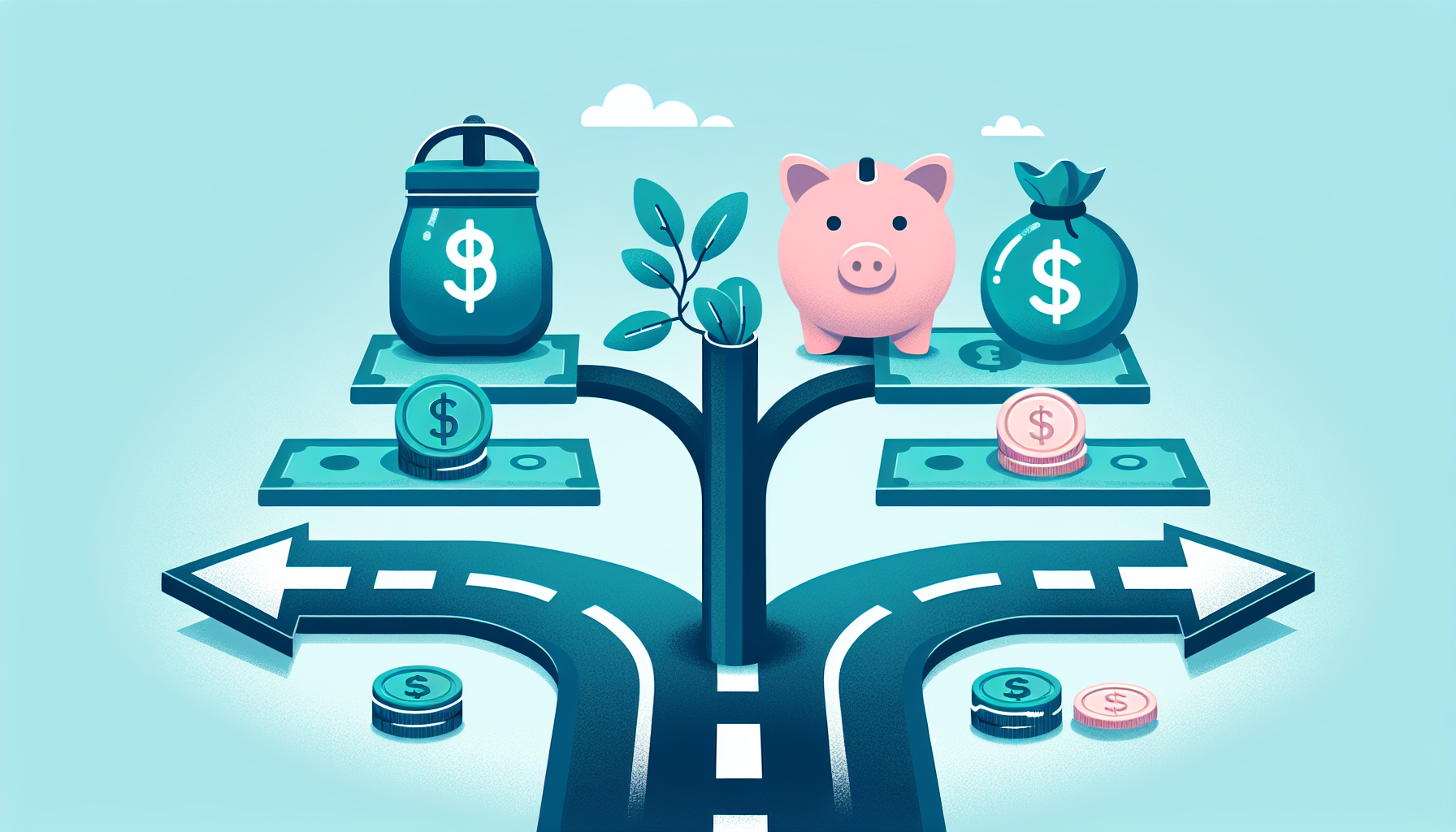
Use this tool to determine whether you should prioritize building an emergency fund or paying off debt. By understanding your financial situation better, you can make informed decisions that align with your financial goals.
Understanding Emergency Fund vs Debt Payoff
Deciding whether to prioritize building an emergency fund or paying off debt is a common dilemma for many individuals. An emergency fund acts as a financial safety net, providing liquidity during unexpected events such as medical emergencies, job loss, or urgent home repairs. On the other hand, paying off debt can reduce financial stress and improve your credit score over time. Both strategies have their merits, and the decision often depends on individual circumstances, including the amount of debt, interest rates, income stability, and personal financial goals.
Building an emergency fund is generally recommended to cover three to six months of living expenses. This cushion can prevent you from relying on credit cards or loans during unforeseen situations. Conversely, focusing on debt repayment can save money on interest and reduce the overall financial burden. High-interest debts, such as credit card balances, are often prioritized to minimize interest costs. Ultimately, the choice between these two financial strategies should align with your overall financial plan, risk tolerance, and long-term objectives.
Practical Tips
To effectively manage both savings and debt, consider adopting a balanced approach. Start by creating a detailed budget that outlines your income, expenses, and financial obligations. This will help you identify areas where you can cut back and allocate more funds towards savings or debt repayment. Setting up automatic transfers to your savings account can ensure consistent contributions to your emergency fund.
If you have multiple debts, consider the snowball or avalanche method to tackle them. The snowball method involves paying off the smallest debts first to build momentum, while the avalanche method focuses on paying off the highest interest rate debts first. Whichever method you choose, maintaining discipline and monitoring your progress regularly is crucial to achieving your financial goals. Remember, seeking advice from a financial advisor can provide personalized guidance tailored to your specific situation.
FAQ
How much should I have in my emergency fund?
It's generally recommended to have three to six months' worth of living expenses in your emergency fund. This amount can vary based on your individual circumstances, such as job stability and personal financial commitments.
Should I pay off high-interest debt or save for emergencies first?
Prioritizing high-interest debt can save you money on interest payments, but having a small emergency fund is also important to avoid accruing more debt during unexpected expenses. A balanced approach is often recommended.
Can I use my emergency fund to pay off debt?
While it might be tempting to use your emergency fund to pay off debt, it's crucial to maintain some level of savings for unexpected expenses. Depleting your emergency fund completely can leave you vulnerable to financial shocks.
Disclaimer: This tool is for educational purposes only and does not constitute financial advice. Please consult a financial professional for personalized advice.
Subscribe to our Newsletter for More Financial Tips
Save your progress
Create a free account to save your results and track your debt payoff over time — free.
My Credit Signal: Free Credit Tools, Calculators & Tips
Free credit calculators and guides from My Credit Signal. Check your utilization, simulate score changes, plan payoffs and build better credit.
Price Currency: USD
Operating System: Web Browser
Application Category: FinanceApplication
4.9
Pros
- 100% free credit tools with no sign-up required
- Easy-to-use calculators for credit scores, debt payoff, and financial planning
- Expert tips and educational content to understand credit concepts
- Multiple debt payoff strategies including snowball and avalanche methods
- Regular new tool additions and updates
Cons
- Does not pull live credit reports directly
- No mobile app available yet
Want to understand your credit report?
Get plain-English explanations with our free AI Credit Analyzer →